


 English
 Français
 русский
 عربى
عربى Español
 Deutsch
Тел
+86 186 2508 0683

The main types of cylinders used in industrial actuation are pneumatic cylinders (air-powered, fast and clean), hydraulic cylinders (oil-powered, highest force), and electric cylinders in several sub-categories. A linear cylinder is the broad family name for any actuator that produces straight-line (linear) motion. An Electric Linear Cylinder converts electric motor rotation into linear rod extension through a ball screw or lead screw mechanism, providing precise position control with position repeatability of 0.01 to 0.1 mm and no fluid contamination risk. An electric over hydraulic cylinder uses an electric motor to drive an integrated hydraulic pump, delivering full hydraulic force output ( up to 500 kN or more ) with the control flexibility of electric operation and without a separate hydraulic power unit. A heavy duty electric cylinder is an electric linear actuator engineered for continuous high-force applications requiring loads of 50 kN to 300 kN or above , used in steel mills, hydraulic press replacement, and heavy transport systems. An electric servo cylinder is an Electric Linear Cylinder driven by a servo motor with closed-loop position, velocity, and force control, offering the highest precision and the most sophisticated motion profiles of any cylinder type. An electric pneumatic cylinder refers either to an electro-pneumatic cylinder (a pneumatic cylinder with an integrated electric solenoid valve and position feedback) or to an electric actuator designed to be a drop-in replacement for a pneumatic cylinder in retrofit applications.
Understanding the full landscape of types of cylinders available for industrial motion applications is the essential starting point for selecting the correct actuator for any project. The word "cylinder" in engineering refers to any actuator that produces linear (straight-line) motion by pushing or pulling a rod or plunger, regardless of the energy source. The primary classification of cylinder types is by the energy source used to create force: pneumatic (compressed air), hydraulic (pressurised oil), and electric (motor-driven mechanical conversion). Within the electric category, several important sub-types exist that are increasingly displacing both pneumatic and hydraulic cylinders in precision and safety-critical applications.
Across virtually every sector of manufacturing and industrial automation, the past decade has seen a consistent trend toward replacing pneumatic and hydraulic cylinders with electric alternatives wherever the force and speed requirements permit. This shift is driven by five converging pressures:
| Criterion | Pneumatic | Hydraulic | Electric Linear | Electric Servo |
|---|---|---|---|---|
| Maximum force | 50 kN | 50,000 kN | 300 kN | 300 kN |
| Position accuracy | ±0.5 to ±5 mm | ±0.1 to ±1 mm | ±0.01 to ±0.1 mm | ±0.005 to ±0.05 mm |
| Energy efficiency | 8 to 12% | 50 to 70% | 75 to 90% | 80 to 92% |
| Contamination risk | Oil mist possible | High (oil leaks) | None | None |
| Speed capability | Up to 3 m/s | Up to 0.5 m/s | Up to 1 m/s | Up to 1 m/s |
| Force control | Poor | Good | Good | Excellent |
| Stroke range | Up to 2,000 mm | Up to 10,000 mm | Up to 3,000 mm | Up to 2,000 mm |
| Infrastructure required | Compressor, piping | HPU, piping | Electrical cables only | Electrical cables only |
A linear cylinder is the generic term for any actuator producing linear motion. In the electric domain, the Electric Linear Cylinder is the workhorse of modern precision actuation, converting rotary motor motion into linear rod movement through a mechanical transmission. Understanding the mechanical conversion mechanism is essential because the choice of screw type determines the actuator's efficiency, speed, force, and service life.
The most common drive mechanism for precision Electric Linear Cylinders . A hardened and ground steel screw with circular cross-section thread profile is engaged by a nut containing recirculating steel balls. The ball contact replaces sliding contact, reducing friction coefficient from 0.1 to 0.3 (lead screw) down to 0.003 to 0.01 (ball screw) and boosting efficiency to 90 to 98% .
A trapezoidal-thread screw and bronze or plastic nut with sliding contact between the screw flanks and nut threads. Lower efficiency than ball screws ( 25 to 70% ) but inherently self-locking at low lead angles, meaning the actuator holds its position without a brake when power is removed. This self-locking property makes lead screws the preferred choice for applications requiring fail-safe position holding.
Planetary rollers threaded to mesh with the screw provide far greater contact area than a ball screw, enabling substantially higher load capacity and longer service life at the same screw diameter. Used in heavy duty electric cylinders where the force exceeds the practical capacity of ball screws. Efficiency is 80 to 90% , slightly less than ball screws but far superior to lead screws at equivalent loads.
When specifying an Electric Linear Cylinder or linear cylinder for an application, the following parameters must be determined:
The electric over hydraulic cylinder (also called an electrohydraulic actuator or self-contained electrohydraulic actuator, SCEHA) is a hybrid technology that integrates an electric motor, a hydraulic pump, a small oil reservoir, and a hydraulic cylinder body into a single self-contained assembly. It delivers the full force density of hydraulic actuation without requiring an external hydraulic power unit (HPU) or a complex hydraulic distribution system. The result is a unit that can be installed anywhere power cables can reach, with the hydraulic system completely sealed and self-contained within the actuator body.
The electric over hydraulic cylinder is particularly well-suited to applications where the hydraulic force density is required but the installation of a conventional hydraulic system is impractical, expensive, or creates maintenance burdens that are unacceptable. Key application categories:
The heavy duty electric cylinder is an electric linear actuator engineered specifically for the high-force, high-duty-cycle, and harsh-environment requirements of heavy industrial applications that have historically been dominated by hydraulic cylinders. By combining a high-power three-phase induction or permanent magnet servo motor with a large-diameter roller screw or ball screw, the heavy duty electric cylinder achieves force outputs of 50 kN to 300 kN (with some specialist designs reaching 1,000 kN or more) while maintaining the clean, efficient, precisely controlled operation that defines the electric actuation category.
A heavy duty electric cylinder differs from a standard electric linear actuator in its engineering margins and construction details:
The leading application areas for heavy duty electric cylinders in the transition away from hydraulics include:
Roll gap adjustment in cold and hot rolling mills requires forces of 100 to 500 kN applied with position accuracy of 0.05 to 0.1 mm at update rates of 100 Hz or faster. Electric servo cylinders with roller screws are replacing traditional hydraulic adjustment cylinders in rolling mills because they provide faster response, better accuracy, and eliminate oil contamination of the steel surface.
Metal forming presses that previously used 100 to 300 kN hydraulic cylinders are being converted to heavy duty electric cylinders for the energy efficiency improvement (saving 40 to 70% of operating energy ), improved press force profile control, and elimination of hydraulic oil from food and pharmaceutical packaging environments.
Underground mining roof support systems, ore hopper gates, and conveyor tension systems are transitioning to heavy duty electric cylinders in battery-electric mine vehicle programs, where eliminating hydraulic infrastructure simplifies the vehicle design and removes the fire risk associated with hydraulic oil in confined underground spaces.
Ferry and cruise ship vehicle ramps, stabiliser fin actuators, and cargo door actuators requiring forces of 50 to 500 kN in corrosive marine environments benefit from heavy duty electric cylinders because they eliminate hydraulic oil from areas near the waterline where leaks would cause marine environmental violations.
An electric servo cylinder is an Electric Linear Cylinder in which the driving motor is a servo motor connected to a servo drive (amplifier) that implements closed-loop feedback control of position, velocity, and force simultaneously. The addition of the servo control system transforms the actuator from a simple electromechanical device into a fully programmable motion axis capable of executing complex motion profiles with extraordinary precision and repeatability.
A standard Electric Linear Cylinder with a stepper motor or a variable speed AC motor provides open-loop or simple closed-loop position control, typically using a limit switch or a linear potentiometer for feedback. An electric servo cylinder adds:
Electric servo cylinders are the dominant actuator choice in precision manufacturing applications where position accuracy below 0.1 mm and force repeatability within 1 to 5% are required:
The term electric pneumatic cylinder is used in two distinct contexts in industrial practice, and understanding both is important for selecting the correct product. The first context is an electro-pneumatic cylinder: a conventional pneumatic cylinder fitted with an integrated proportional solenoid valve and position feedback sensor, creating a pneumatic actuator with electric position control. The second context is an electric actuator specifically designed as a dimensional and functional drop-in replacement for a standard ISO pneumatic cylinder, fitting the same mounting, having the same rod diameter and thread, and being controllable from the same signal that previously drove the solenoid valve.
An electro-pneumatic version of the electric pneumatic cylinder retains compressed air as its energy source but replaces the simple on-off solenoid valve with a proportional valve that can meter airflow to any fraction of maximum flow based on an electrical control signal (typically 4 to 20 mA or 0 to 10V DC). Combined with a linear position sensor (magnetic strip or optical scale) on the cylinder body, the proportional valve receives feedback-corrected commands from a position controller, creating a closed-loop pneumatic servo system.
Electro-pneumatic servo systems can achieve position accuracy of ±0.1 to ±0.5 mm depending on the cylinder friction, load characteristics, and controller tuning. This is significantly better than the end-stop-only positioning of a conventional pneumatic cylinder but falls short of the ±0.01 mm achievable with an electric servo cylinder . The advantage is that the existing compressed air infrastructure is retained, which may be economically decisive when a large facility has a compressed air system already paid for and maintained.
Electric actuators designed as drop-in replacements for ISO pneumatic cylinders represent one of the most commercially active segments in the electric actuation market. These products are dimensioned to match ISO 15552 or ISO 6432 pneumatic cylinder mounting standards, with the same tie-rod mounting pattern, the same piston rod diameter and thread, and the same clevis and foot bracket interfaces as the pneumatic cylinders they replace. The replacement process involves:
The energy saving from this retrofit is immediately measurable. A single electric pneumatic cylinder replacement eliminates the compressed air consumption of that cylinder, which for a cylinder cycling 60 times per minute with 100 mm stroke and 63 mm bore could be 80 to 120 litres per minute of compressed air at 6 bar , equivalent to approximately 0.5 to 0.8 kW of compressor power running continuously. Across a machine with 20 such cylinders, the annual energy saving at 6,000 operating hours per year can exceed 50,000 kWh .
The main types of cylinders in industrial automation are pneumatic cylinders (air-powered, fast, clean, low force), hydraulic cylinders (oil-powered, highest force density, slower response), and electric cylinders in several variants. Electric types include the Electric Linear Cylinder (ball or lead screw driven), the electric servo cylinder (with closed-loop servo control for maximum precision), the heavy duty electric cylinder (roller screw for high-force applications), the electric over hydraulic cylinder (self-contained electrohydraulic), and the electric pneumatic cylinder (electro-pneumatic with proportional control, or a drop-in electric replacement for pneumatic cylinders). Each type occupies a different region of the force, speed, precision, and cost space, and the correct selection requires evaluating all of these parameters against the specific application requirements.
A linear cylinder is a generic term for any actuator that produces linear motion, including pneumatic, hydraulic, and electric types. An Electric Linear Cylinder specifically refers to an electrically powered linear actuator that converts rotary motor motion into linear rod movement through a mechanical screw transmission (ball screw, lead screw, or roller screw). All Electric Linear Cylinders are linear cylinders, but not all linear cylinders are electric. The term linear cylinder is often used interchangeably with linear actuator in engineering documentation, and both terms encompass the full range of energy sources and mechanical designs.
Choose an electric over hydraulic cylinder instead of a conventional hydraulic cylinder when: the installation location makes running hydraulic pipework impractical or very expensive (remote, elevated, or offshore locations); when a central hydraulic power unit would be oversized and inefficient for a small number of actuators; when eliminating hydraulic oil from the environment is required (food processing, pharmaceutical, marine environmental zones); when individual actuator-level energy monitoring and control is desired; or when retrofitting a machine with additional actuators where the existing HPU has insufficient spare capacity. The electric over hydraulic cylinder costs more per unit than a separate hydraulic cylinder, but the elimination of HPU, pipework, and fluid maintenance typically results in a lower total installed cost and significantly lower lifetime operating cost.
A heavy duty electric cylinder differs from a standard electric actuator in its force capacity (typically 50 kN to 300 kN versus 1 to 50 kN for standard units), its use of planetary roller screws rather than ball or lead screws (for higher load capacity at longer service life), its more robust housing construction with stronger flanges and more massive anti-rotation systems, its thermal management for high duty cycle operation under sustained load, its higher IP protection rating (IP65 to IP67), and its integration of fail-safe electromagnetic brakes rated for the full load-holding requirement. Heavy duty cylinders also use three-phase AC servo motors rather than single-phase or DC motors, providing the higher sustained power needed for continuous high-force operation.
An electric servo cylinder typically achieves position repeatability of ±0.005 to ±0.05 mm (5 to 50 micrometres) under consistent load and temperature conditions. Position accuracy (the deviation from the commanded position on the first approach from any direction) is typically ±0.01 to ±0.1 mm . These values are measured using a laser interferometer or high-resolution linear encoder as the reference standard, with the servo cylinder commanded to a grid of positions across its full stroke and the actual position recorded at each point. Backlash (the free play between the screw and nut) in a ball screw cylinder is typically 0.002 to 0.05 mm and is eliminated for positioning purposes by always approaching target positions from the same direction, or by using preloaded (zero-backlash) screw assemblies.
Yes, an electric pneumatic cylinder designed as a drop-in replacement can fully replace a pneumatic cylinder in most applications, provided the replacement actuator matches the force requirement, stroke length, speed requirement, and mounting interface of the original pneumatic cylinder. The replacement electric cylinder uses the same ISO mounting pattern and rod dimensions as the pneumatic cylinder it replaces, requiring no modification to the machine structure. The control signal from the machine's PLC output (previously 24V to energise the solenoid valve) directly drives the replacement electric cylinder's integrated controller without any change to the machine control software. The main limitation is speed: pneumatic cylinders can achieve extension speeds of up to 3 m/s in high-flow circuits, while most electric pneumatic cylinder replacement products are limited to 0.2 to 0.8 m/s . Applications requiring very high speed should remain pneumatic or use purpose-designed high-speed electric linear actuators.
Force control mode in an electric servo cylinder is an operating mode where the servo drive regulates the thrust force at the cylinder rod to a commanded value, rather than regulating position. The servo drive monitors the motor current (proportional to motor torque, which when divided by the screw lead gives the thrust force) and adjusts the motor voltage to maintain the commanded current level. Force control mode is used in pressing operations (joining, crimping, staking), clamping operations (holding a workpiece during machining), torque testing (applying a calibrated force to measure compliance or breakaway force), material testing (applying controlled load to a specimen), and adaptive damping applications (where the cylinder absorbs and dissipates energy from a structure subject to variable external loads). Force control accuracy of 1 to 3% of rated force is typical for commercial servo cylinder systems.
The motor power required for an Electric Linear Cylinder is calculated from three parameters: the required thrust force (F in newtons), the required rod velocity (v in metres per second), and the combined efficiency of the screw transmission and gearbox if fitted (η as a decimal fraction). The required mechanical output power is F multiplied by v (watts). The required motor input power is (F multiplied by v) divided by η. Example: a cylinder requiring 20 kN thrust at 0.05 m/s through a ball screw with 92% efficiency requires: mechanical output power = 20,000 N x 0.05 m/s = 1,000 W; motor input power = 1,000 W divided by 0.92 = 1,087 watts , so a 1.1 kW or 1.5 kW motor would be selected. Always add a service factor of 1.25 to 1.5 to the calculated power for peak load allowance and motor thermal derating in continuous duty.
A well-maintained hydraulic cylinder in a clean, properly filtered hydraulic system has a service life limited primarily by seal wear (typically 5,000 to 50,000 operating hours depending on seal materials, pressure, and contamination). A heavy duty electric cylinder with a roller screw drive has a calculated screw and nut life based on the rated dynamic load capacity and the duty profile, typically exceeding 10,000 to 50,000 operating hours at rated load, with bearing life of similar magnitude when properly lubricated. The key advantage of the electric cylinder is that its wear is predictable and progressive (the servo drive can detect increasing friction from screw or bearing wear through motor current monitoring), whereas hydraulic seal failure can be sudden and catastrophic. In hydraulically contaminated environments, the hydraulic cylinder's actual service life is often dramatically shorter than its theoretical design life due to contaminated seal surfaces accelerating wear, while the electric cylinder is completely unaffected by hydraulic system contamination events.
Electric cylinders offer several safety advantages over hydraulic cylinders that are increasingly valued in modern machine design. Electronic force limiting: the servo drive can be configured to limit maximum thrust force to a set value and stop immediately if this limit is exceeded, preventing crushing injuries in collaborative robot cells and human-machine interface areas where hydraulic cylinders would require additional physical guarding. Controlled deceleration: on power loss, an electric cylinder with a regenerative drive can decelerate in a controlled manner and stop with the brake rather than falling freely, which a hydraulic cylinder does when its control valve loses power without a counterbalance valve. Position monitoring: the encoder in an electric servo cylinder continuously confirms that the rod is in the expected position; a deviation triggers an immediate alarm and stop, whereas a hydraulic cylinder cannot self-diagnose a failed internal seal allowing slow rod drift. Zero fire risk: electric cylinders contain no flammable hydraulic oil, which is a significant safety advantage in environments near ignition sources, hot surfaces, or in underground mining applications.
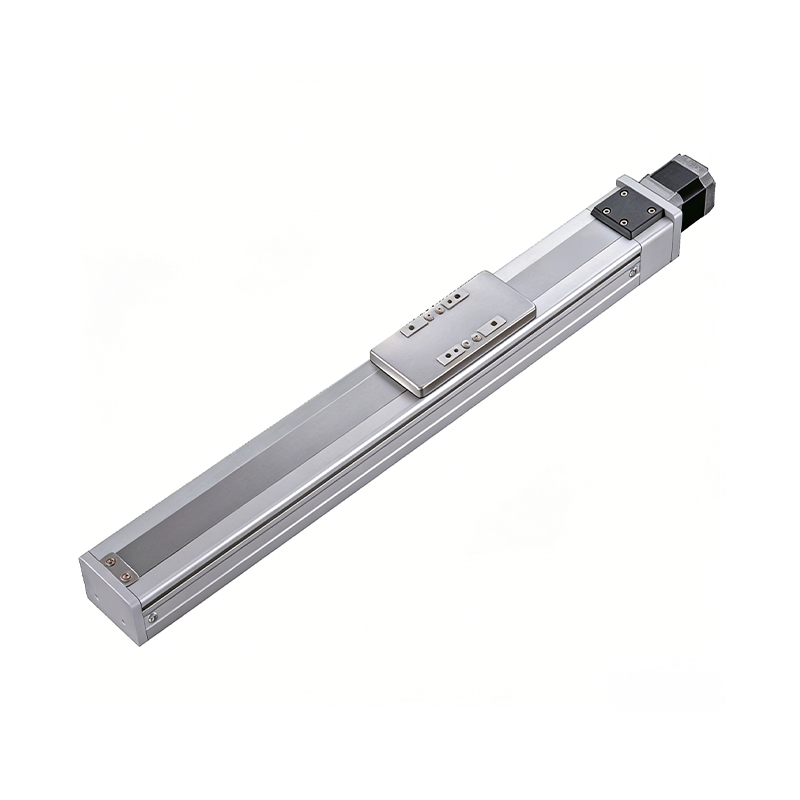 Прецизионный линейный модуль со встроенной направляющей и двумя ползунами
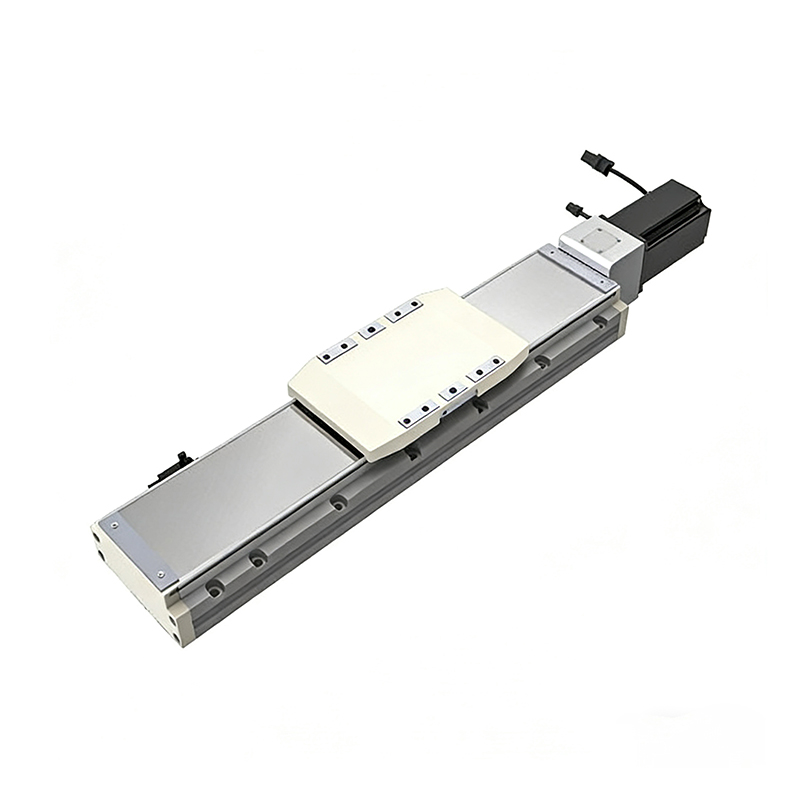 Линейный модуль со встроенной направляющей и шарико-винтовой передачей для высоких нагрузок
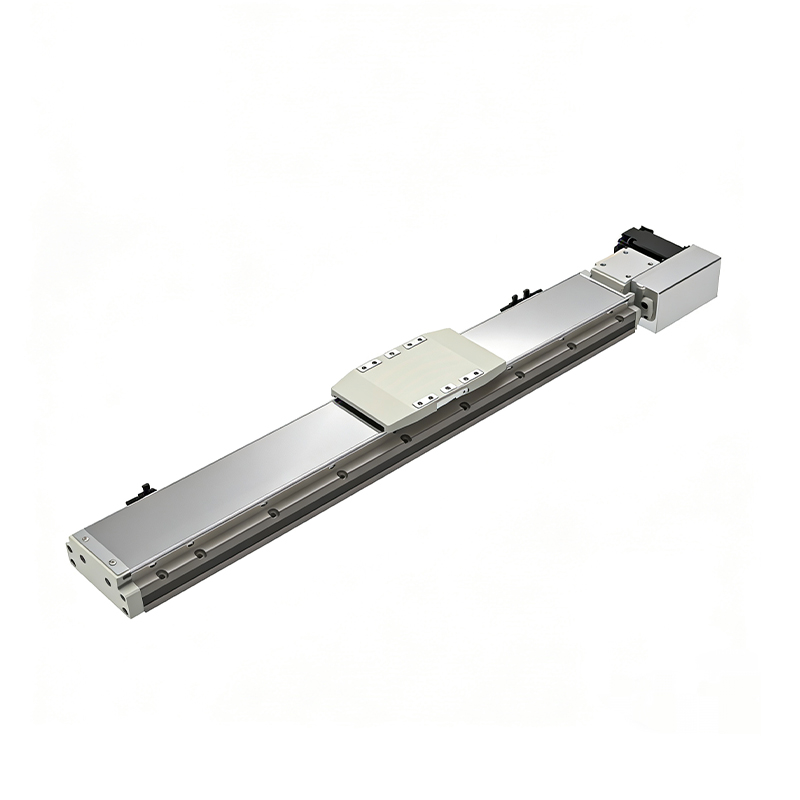 Линейный модуль со встроенной направляющей с нагрузкой 110 кг и большим ходом
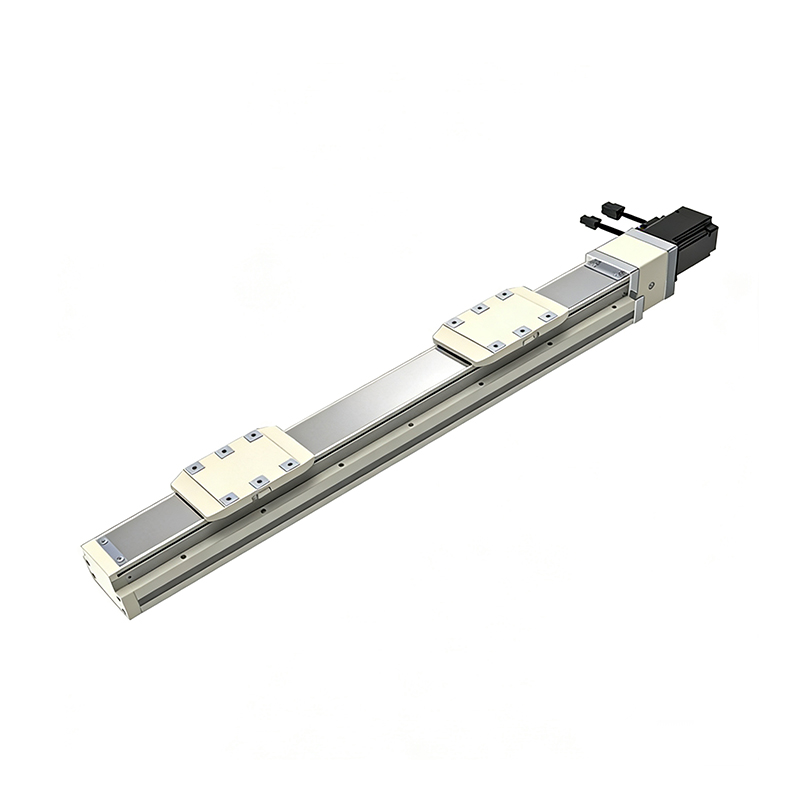 Прецизионный линейный модуль со встроенной направляющей и двумя ползунами
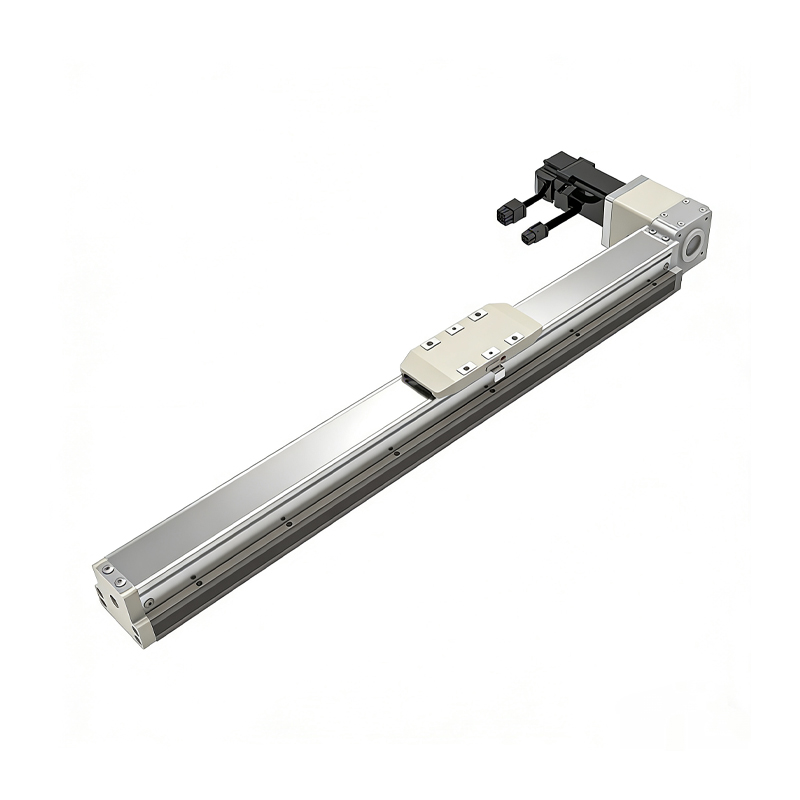 Пылезащищённый линейный модуль со встроенной направляющей и ременным приводом
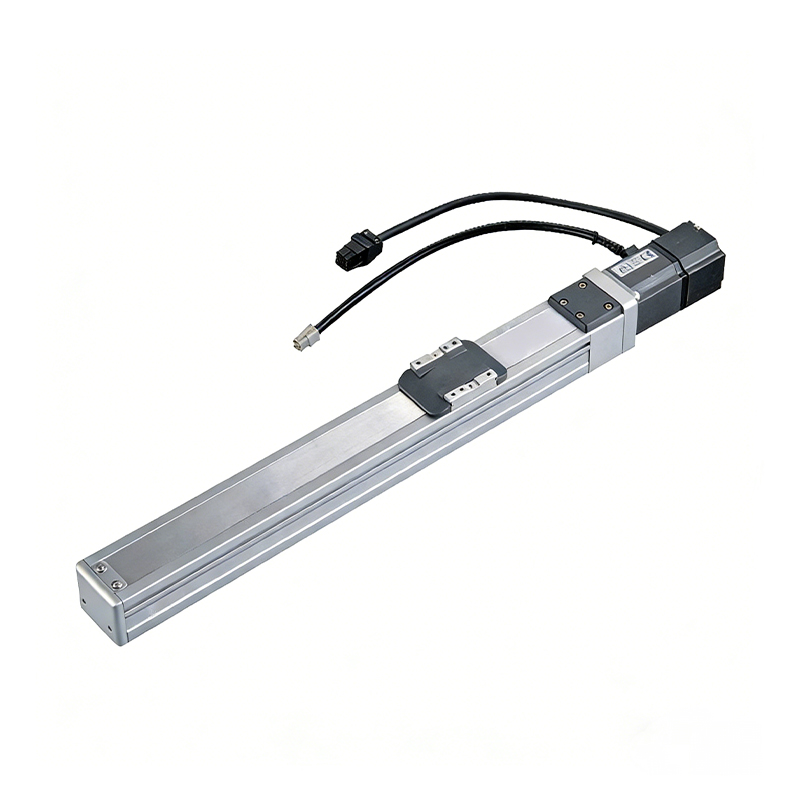 Прецизионный линейный модуль с шарико-винтовой передачей для малых нагрузок (точность 0,01 мм)
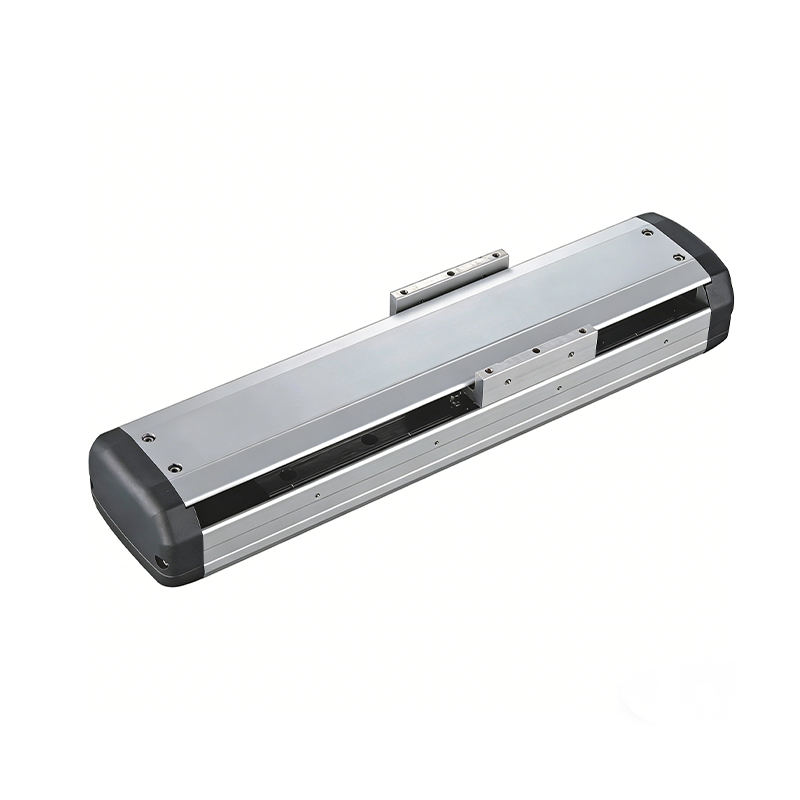 Линейный модуль с шарико-винтовой передачей и встроенным датчиком
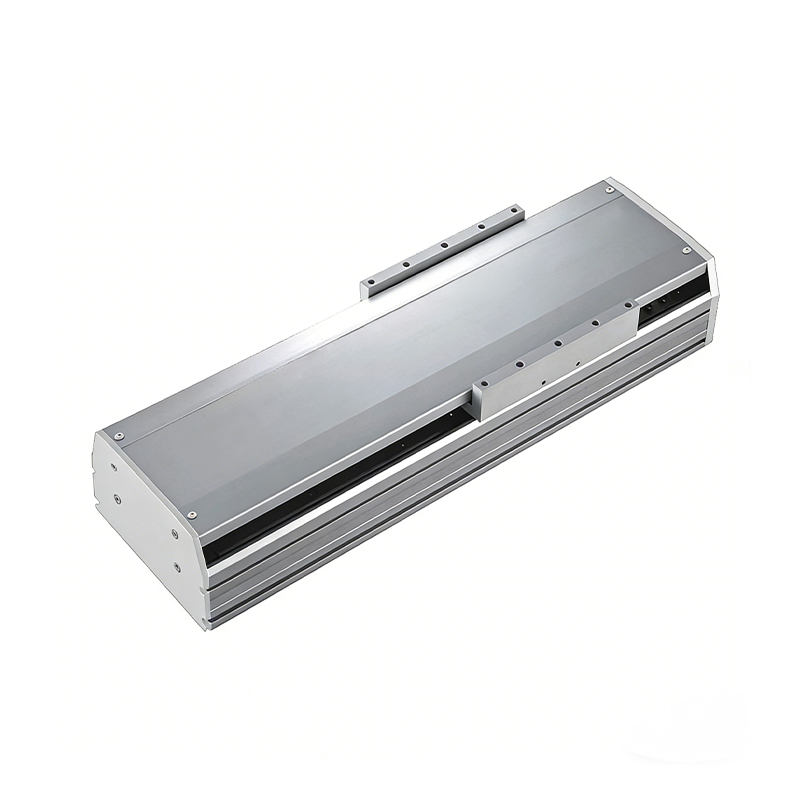 Линейный модуль с шарико-винтовой передачей с ходом 2000 мм

Если вы заинтересованы в нашей продукции, пожалуйста, оставьте нам сообщение. Мы с нетерпением ждем возможности предоставить вам
профессиональные услуги!
Инновации и превосходство делают интеллектуальное производство на заводе эффективным и удобным!
+86 186 2508 0683
+86 189 1553 7107
sales@sz-tys.com
Китай, провинция Цзянсу, город Сучжоу, улица Цзиньфэннаньлу, Международный научно-технологический инновационный парк Сучжоу Муду, корпус 5
